

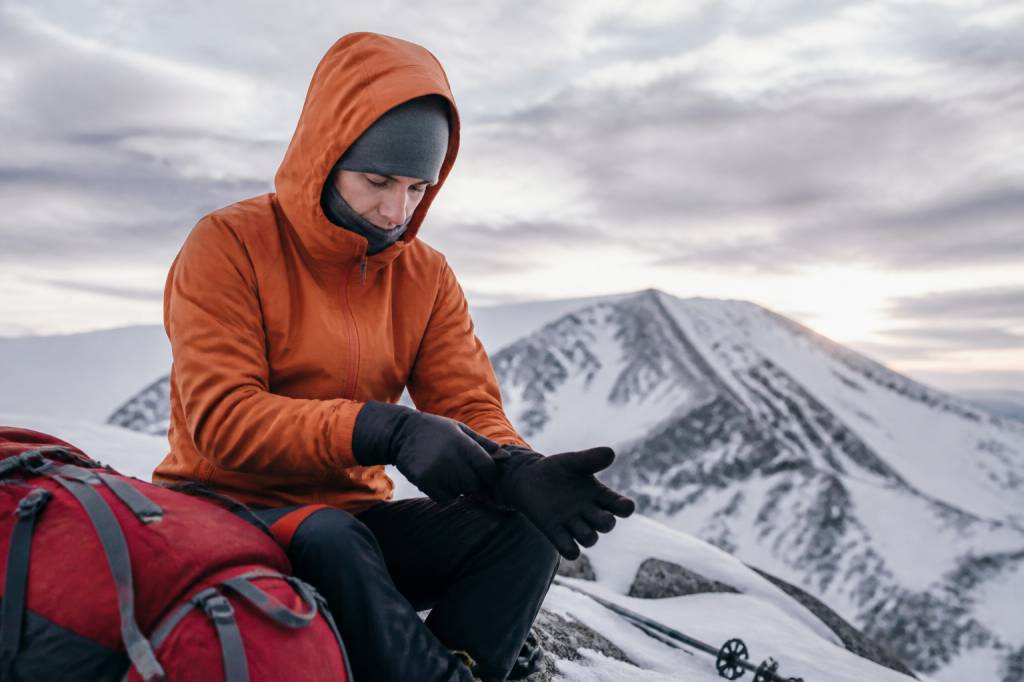
Cold-weather adventures are brilliant right up until your fingers go numb, your toes stop cooperating, and your ears start feeling like they’ve been left in a freezer drawer. If you’ve spent any time hiking, running, scrambling, or camping in winter, you already know the weak points of the body are usually the first to complain.
That’s the thing about extremities: they’re small, exposed, and easy to forget when you’re busy thinking about route choice, weather windows, or whether you should have packed one more snack. But if you want to stay comfortable, safe, and actually enjoy the day, protecting your hands, feet, ears, nose, and face matters more than most people realise.
Below is a practical guide to keeping your extremities in good shape when the temperature drops. No fluff, no magic tricks, just the stuff that works.
Why extremities get hit first
Your body is not sentimental. In the cold, it protects your core by reducing blood flow to the outer parts of your body. That means your fingers, toes, ears, and nose are the first to lose warmth, dexterity, and sensation.
This is why small problems can escalate fast. A slightly cold toe can become painful. A damp glove can turn into a useless glove. A red ear that you barely notice can become a frostnip situation before you’ve finished your snack.
The main enemies are simple:
If you combine wind and moisture, the cold feels more aggressive than the forecast suggests. That’s why a calm, sunny -2°C day can feel easier than a damp, windy 4°C day. The weather app gives you numbers; your body gives you the truth.
Start with a system, not a single item
Good cold-weather protection is rarely about buying one expensive piece of kit and hoping it saves the day. It’s about layering and adjusting. The best setup gives you options: warm when you need it, breathable when you’re working hard, and quick to adapt when conditions change.
That applies to extremities too. Think in systems:
The goal is not to create a sauna. It’s to manage heat, sweat, and exposure so your body can keep functioning normally. Overheating is a problem too, because sweat cools fast and turns into the enemy as soon as you stop moving.
Protecting your hands without losing dexterity
Hands are usually the first extremities to become annoying in the cold. You need them to fiddle with zips, poles, maps, stove lighters, tent pegs, and the occasional emergency snack. So bulky gloves that feel warm in the shop can become frustrating the moment you need to do anything useful.
A better approach is layering. Start with a thin liner glove that helps preserve warmth and gives you a backup if you need to remove your outer glove briefly. Over that, add an insulating glove or mitten depending on conditions. For wet or windy days, a waterproof shell can make a big difference.
Mittens are usually warmer than gloves because your fingers share heat. The trade-off is dexterity. If you’re doing slower winter walking or mountaineering, mittens can be a great choice. If you’re running, climbing, or constantly using your hands, gloves may be more practical.
Useful hand-protection tips:
That last one matters. Once your hands are already chilled, they take longer to recover. It’s much easier to stay warm than to rewarm cold fingers in the middle of a gusty ridge walk.
Keep your feet warm, dry, and moving
Cold feet can ruin a day quickly. They can also lead to blisters, numbness, and clumsy foot placement, which is not ideal when the ground is icy or uneven. Your feet need warmth, but they also need enough room to move and enough dryness to avoid becoming cold packets of regret.
Socks are the first line of defence, but not all socks are equal. Merino wool and synthetic blends are usually the best option because they manage moisture and keep insulating when damp. Cotton is the classic mistake: it holds moisture and loses warmth fast. In cold weather, cotton is basically a dare.
Boots or shoes should fit properly with winter socks on. If they’re too tight, you restrict circulation and make your feet colder. If they’re too loose, you get rubbing, friction, and blisters. Either way, your feet lose.
What helps most:
For longer winter hikes or cold camps, a common mistake is treating foot care as a one-time decision. In reality, feet need ongoing management. If you’re sweating heavily on the climb, vent if possible. If you’re stopping for lunch, put on a dry layer or even a lighter insulated boot if you’re at camp. The moment movement stops, your toes notice.
Don’t ignore your head, ears, and face
A lot of heat escapes through the head, but more importantly, the head, ears, and face are highly exposed and have relatively little natural insulation. If your ears are cold, you’ll know about it. If your cheeks are numb, the day is heading in the wrong direction.
A warm hat is one of the simplest and most effective pieces of kit you can carry. On windy days, a hat that covers the ears is usually worth its weight in gold. For harsher conditions, add a buff, neck gaiter, or balaclava to protect the lower face and neck.
Face protection becomes especially important when you’re moving fast or moving high. Wind chill at altitude can be brutal, and your nose and cheeks will be the first to let you know. A buff pulled up over the face can make a huge difference without much fuss.
Good options for head and face:
If you’re running in the cold, you may prefer minimal head insulation at the start, but always carry an extra layer for when the pace drops or the weather turns. Winter routes love surprise variables. They’re very thoughtful like that.
Manage sweat before it becomes a problem
One of the biggest mistakes in cold weather is dressing too warmly at the start. You feel fine for the first 20 minutes, then you start sweating, then you stop, and suddenly the moisture inside your clothing becomes a heat drain.
This is especially important for your extremities because sweat from your body affects them indirectly. Wet base layers, damp gloves, and socks that are even slightly moist can steal warmth rapidly.
The best strategy is to start slightly cool and warm up through movement. If you’re climbing steeply, remove a hat or open vents before you begin overheating. If your hands are getting damp inside gloves, switch to a more breathable pair or strip down to a liner for the uphill work.
Simple sweat management rules:
If you’ve ever reached a summit feeling smug only to become instantly chilled at the top, you already understand the point. Effort generates heat; pauses reveal the truth.
Keep your circulation working for you
Warmth doesn’t only come from clothing. Good circulation helps deliver heat to your extremities in the first place. That’s why fit, movement, food, and hydration all matter.
Clothing that’s too tight can reduce circulation. Tight boot laces, constrictive glove cuffs, or socks bunched around the toes can all make cold feel worse. Check your fit before you head out, not halfway through the route when your fingers are already unhappy.
Movement is equally important. If you stop for too long, especially in wind or shade, extremities cool quickly. During breaks, keep hands tucked away, stand on insulating ground if possible, and avoid removing gloves unless necessary. Even small movements like finger flexing or toe wiggling can help maintain blood flow.
Food and hydration also play a role. If you’re under-fuelled, your body has less energy to generate heat. If you’re dehydrated, circulation and temperature regulation become less efficient. In cold weather, people often forget to drink because they don’t feel thirsty. That’s a mistake. Sip regularly, and keep eating, even if it’s just small bites.
Use the environment to your advantage
Protection is not only about what you wear. It’s also about how you move through the landscape. If there’s a sheltered spot out of the wind, use it for breaks. If one side of a ridge is exposed and the other is calmer, adjust your pace and route choices accordingly.
Sometimes the smartest move is to shorten a stop rather than getting cold while admiring the view. Yes, that view is beautiful. Yes, your hands are now becoming stiff. Choose wisely.
A few environmental habits can help a lot:
On multi-day trips, campsite choice matters too. A sheltered pitch, a dry place to change, and a reliable system for drying gloves and socks can make the next morning much more comfortable.
Know the warning signs of trouble
Cold injuries often start quietly. The challenge is noticing the early signs before they become serious. You don’t need to panic, but you do need to pay attention.
Common warning signs include:
If a finger or toe stops feeling like part of you, that’s not a badge of honour. It’s a signal to act. Get out of the wind, add insulation, warm the area gradually, and change damp clothing. If symptoms don’t improve or if skin looks seriously affected, treat it as a medical issue and get help.
Don’t rub cold skin aggressively, and don’t use direct intense heat too quickly. Slow, controlled rewarming is safer. Think steady, not dramatic.
A simple packing list for cold-weather extremity protection
If you like practical checklists, here’s a solid baseline for winter day trips and shoulder-season outings:
You don’t need a mountain of gear. You need the right gear, kept dry, and used before the cold starts winning.
Small habits make the biggest difference
Protecting your extremities in cold weather is mostly about good habits. Dress before you’re cold. Change damp layers quickly. Keep spare items dry. Eat and drink enough. Use shelter when you can. And don’t let “I’m fine” become a ritual performed by your numb fingertips.
The best winter adventurers aren’t necessarily the toughest-looking ones. They’re usually the ones who stay ahead of problems before they become stories that begin with, “So there I was, halfway through the descent…”
Cold weather can be exhilarating, quiet, and unforgettable. It can also be unforgiving if you ignore the small parts of your body doing all the complaining. Look after your extremities, and they’ll help you enjoy everything else the season has to offer.