
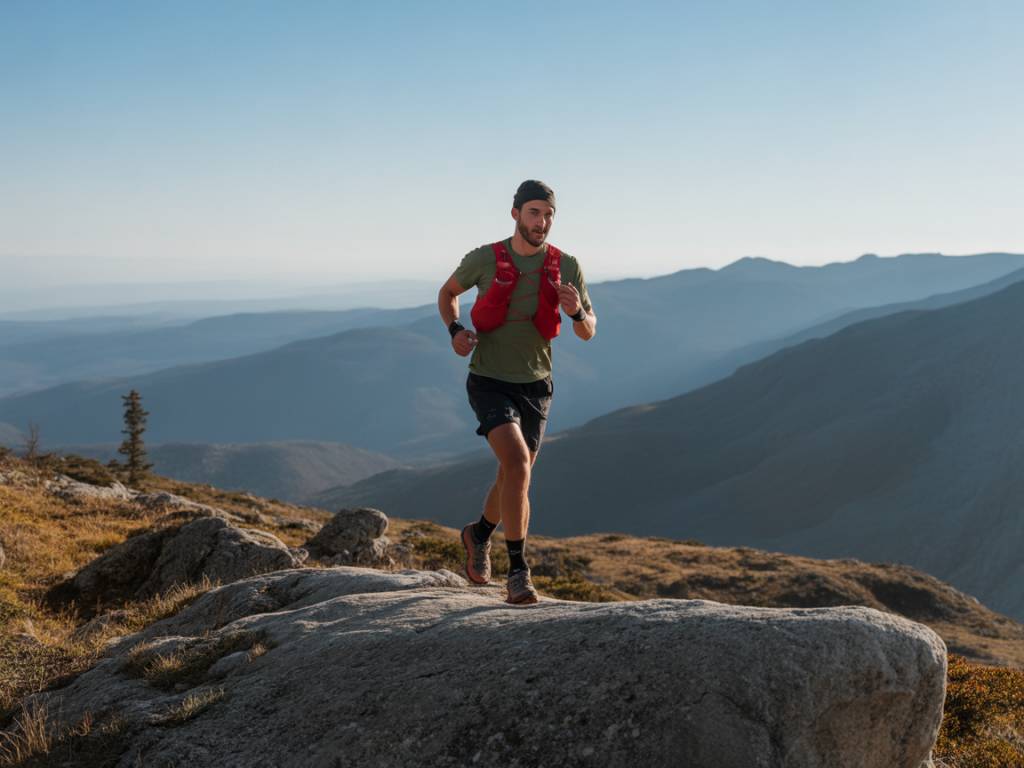
Understanding Fastpacking: Ultralight Backpacking Meets Trail Running
Fastpacking sits right at the crossroads between ultralight backpacking and trail running. You move fast. You carry just enough gear to stay safe and self-sufficient overnight. And you cover more miles than traditional backpackers, without racing as hard as pure trail runners.
In practice, fastpacking means running the runnable sections, hiking the steep or technical parts, and doing all of that with a minimalist but reliable kit on your back. It is equal parts endurance sport, logistics puzzle, and mental game.
Training for fastpacking is unique. You’re not just learning to run. You’re learning to move efficiently over varied terrain, with a pack, for hours and sometimes days on end. Your training plan has to reflect that hybrid nature.
This guide breaks down how to train for fastpacking, how to blend trail running and ultralight backpacking principles, and how to prepare your body and mind for long, fast days in the mountains or backcountry.
Key Fitness Demands of Fastpacking
Before building a plan, you need to understand what the sport asks of you. Fastpacking stresses different systems at once. It’s not just about speed.
The main demands are:
- Aerobic endurance for long, steady days on your feet.
- Muscular endurance and strength to handle climbs, descents, and pack weight.
- Pack-specific resilience in your shoulders, back, hips, and feet.
- Technical trail skills to move confidently on rocks, roots, scree, and mud.
- Mental toughness for managing fatigue, discomfort, and variable weather.
Every piece of your training—running, hiking, strength work, long days out—should serve at least one of these demands.
Building an Aerobic Base for Fastpacking
The foundation of successful fastpacking is a deep aerobic base. You need to be able to move for hours at a comfortable effort, day after day. No fancy gear can replace base fitness.
For most aspiring fastpackers, that means 8–12 weeks focused on easy to moderate running and hiking. During this phase, avoid obsessing over speed. Prioritize consistent volume and gradual progression.
Key principles for your aerobic base:
- Train mostly easy: Most sessions should be done at a conversational pace, where you can comfortably talk in full sentences.
- Include both running and hiking: Fastpacking is not pure running. Hike up steeper hills. Practice efficient uphill hiking instead of forcing a slow jog.
- Use time, not distance: Aim for 45–90 minute sessions on most days, building up to 2–3 hours for your longest efforts.
- Add one “long day” each week: This is your key session to mimic fastpacking demands: longer duration, varied terrain, and eventually some pack weight.
This base period sets you up to handle more specific fastpacking training later. Skip it, and you risk fatigue, injury, or simply not enjoying your trip.
Incorporating Trail Running and Hiking Workouts
Fastpacking rewards versatility. You must be comfortable switching between running and hiking, adjusting to grade, terrain, and fatigue. Structured workouts help you refine this rhythm.
Use these trail-focused sessions as you progress beyond the initial base phase:
- Hill Repeats (Run–Hike Mix)
Find a moderate hill. Run the lower half, then power-hike the steeper top. Jog down easy. Repeat 6–12 times. This trains uphill strength and the mental habit of choosing the most efficient movement. - Progression Trail Runs
Start easy for the first third of the run, then gradually increase your pace in the middle. Finish with a strong but controlled effort. This simulates long days where you need to keep moving even as you tire. - Technical Descent Practice
Hike or run up a technical trail, then focus on descents. Short, controlled repetitions. Pay attention to footwork, posture, and braking. Confidence downhill is a huge asset for fastpacking with a pack. - Run–Hike Intervals
Alternate 5–10 minutes of easy running with 5–10 minutes of brisk hiking on rolling terrain. This mirrors real fastpacking, where terrain naturally dictates your pace and gait.
Combine these with your weekly long outing, and your efficiency on trails will increase quickly.
Strength Training for Ultralight Fastpacking Performance
Even if you carry an ultralight pack, your body deals with repetitive impact and uneven ground all day. Strength training is non-negotiable if you want to stay durable and confident.
Focus on simple, functional movements that target the legs, core, and upper body used to stabilize a pack:
- Lower body strength: Squats, lunges, step-ups, Romanian deadlifts.
- Single-leg stability: Single-leg deadlifts, Bulgarian split squats, step-downs.
- Core and trunk: Planks, side planks, dead bugs, Pallof presses.
- Upper body and shoulders: Rows, light presses, band pull-aparts, Y-T-W shoulder drills.
Two short strength sessions per week are usually enough. Keep them focused and intentional. You’re not bodybuilding; you’re building a resilient chassis that can handle long days with a pack.
Train through full ranges of motion and maintain good technique. It’s better to lift lighter with excellent form than to chase heavy weights with sloppy execution.
Training With a Pack: Adapting to Load and Movement
One of the most important aspects of fastpacking training is the transition from running “clean” (without a pack) to running and hiking with load. This should be gradual. Your joints, tendons, and posture need time to adapt.
Introduce pack training step by step:
- Start light: Begin with 2–3 kg (4–7 lb) for a few easy sessions. Use water bottles or soft flasks to adjust weight easily.
- Test your ultralight kit: Over several weeks, build up to your expected trip weight. This is your chance to adjust pack fit, strap tension, and bottle placement.
- Use your weekly long outing: Make this the main session where you wear your full fastpacking kit. Practice exactly how you’ll move on your objective.
- Refine posture: Stay upright, avoid leaning excessively forward from the waist, and keep your cadence relaxed and light.
Your goal is to make the pack feel like an extension of your body. When it stops being the first thing you notice, you’re getting close.
Ultralight Backpacking Principles in Training
Training for fastpacking isn’t just miles and muscles. It’s also systems. Ultralight backpacking principles help you move further with less effort, and you should rehearse those systems during your training phase, not just on the trip.
Integrate these ultralight habits into your practice outings:
- Dial in your gear: Carry what you intend to use on your trip. Notice what you never touch. That’s potential weight you can eliminate.
- Practice quick transitions: Stop, layer up, eat, and be ready to move again in minutes. Efficiency is free speed.
- Refine layering: Learn which combination of base, mid, and shell layers works at different intensities and temperatures. Minimize “too hot / too cold” stops.
- Train your nutrition strategy: Eat and drink on the move. Test different foods, drink mixes, and timing. Your stomach needs training as much as your legs.
The best time to discover that a particular gel makes you nauseous, or that your headlamp rubs your forehead, is on a training night hike close to home, not 40 km into a remote ridge.
Planning a Weekly Fastpacking Training Structure
Your exact schedule depends on your background, time, and goals. But a balanced weekly template can help you organize your efforts around fastpacking-specific needs.
Here is a sample structure for an intermediate athlete preparing for a multi-day fastpacking trip:
- Day 1 – Easy Run + Strength
45–60 minutes of easy trail or mixed-surface running. Follow with 20–30 minutes of strength work focused on lower body and core. - Day 2 – Run–Hike Intervals
60–75 minutes alternating running and brisk hiking on varied terrain. Add a light pack if you’re in the later stages of training. - Day 3 – Rest or Active Recovery
Gentle walking, cycling, or mobility work. Keep it truly easy. Your body adapts during recovery. - Day 4 – Hill or Technical Session + Short Strength
45–60 minutes of hill repeats or technical descent practice. Add 15–20 minutes of upper body and shoulder stability work. - Day 5 – Easy Run or Hike
45–60 minutes at a relaxed effort. This keeps your volume up without draining you. - Day 6 – Long Fastpacking Simulation
3–6 hours (depending on your level and goal) on trails with your fastpacking kit. Practice pacing, gear use, nutrition, and navigation. - Day 7 – Rest
Full rest or light stretching. Focus on sleep, food, and hydration.
Adjust the intensity and volume to your abilities. If you’re new to running, substitute more hiking. If you’re an experienced ultra runner, maintain some faster sessions but preserve the long, steady work with a pack.
Mental Preparation and Risk Management for Fastpacking
Fastpacking lives in that space where freedom meets exposure. You’re moving fast and light, which is exhilarating, but you also carry fewer backups and redundancies. That requires solid decision-making and mental preparation.
Use your training not only to build fitness but to rehearse safe habits:
- Navigation practice: Train with map, compass, or GPS devices on familiar trails first. Check your position regularly, even when you think you “know” the route.
- Weather awareness: Make a habit of checking forecasts, reading the sky, and carrying just enough extra insulation and protection.
- Self-sufficiency drills: On some training outings, simulate small problems. Pretend you’re delayed and need to layer up early. Practice filtering water from marginal sources.
- Mindset work: Expect discomfort. View fatigue, sore feet, or bad weather as puzzles to solve rather than reasons to quit.
A calm, prepared mind lets you make smart choices when you’re tired, far from the trailhead, and a storm is building on the horizon.
Progression, Tapering, and Testing Your Fastpacking Readiness
As your target fastpacking trip approaches, you should gradually shift from building fitness to sharpening and testing your systems. Volume tapers slightly. Specificity increases.
Three to four weeks out, plan one or two “dress rehearsal” outings:
- Use your full fastpacking kit, including sleep system and stove (if you carry one).
- Cover a distance and elevation profile similar to a typical day of your planned trip.
- Test your full nutrition and hydration plan.
- Note what worked, what failed, and what needs tweaking.
In the final week before your objective, reduce volume by 30–50 percent. Maintain a bit of intensity with short runs and a few hills, but avoid long, draining efforts. Let your body absorb the training. Use the extra time to refine gear, check logistics, and mentally walk through your route.
When training, gear, and mindset all line up, fastpacking becomes something special. You move through wild places with an efficiency that feels almost unfair, yet still grounded in respect for the terrain and your own limits. With a thoughtful, specific approach to training, that feeling is within reach.