

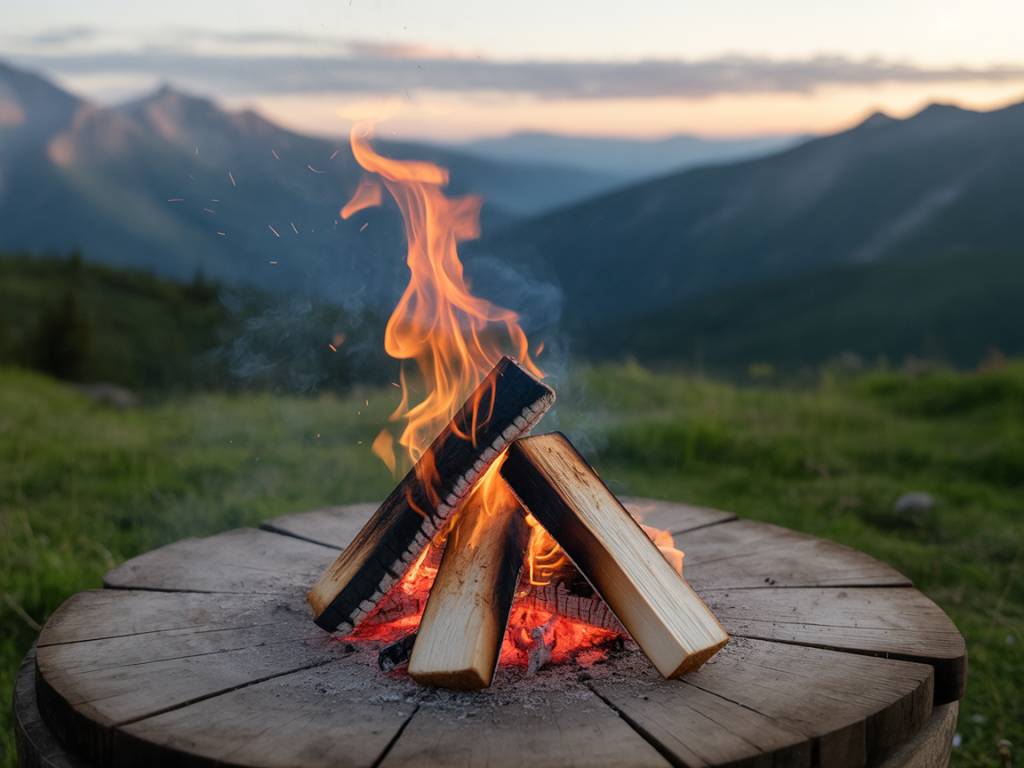
Why Endurance Runners Need High-Performance Campfire Recipes
Endurance running is brutal on the body. Long hours on the trail burn through glycogen stores, dehydrate you, and create micro-damage in muscles and connective tissue. Recovery starts long before you get home. It starts at camp, in front of the fire, with what you put in your bowl.
Most runners know how to fuel during a race: gels, chews, electrolyte drinks. But when you’re spending days on the trail, fastpacking or staging back-to-back long runs from a base camp, you need something different. You need real food. You need meals that are nutrient-dense, easy to digest, and simple enough to cook over a campfire after a long, exhausting day.
This is where thoughtful campfire recipes come in. Think of your cooking system as part of your gear list, just like your shoes or hydration vest. Get it wrong, and your performance drops. Get it right, and you recover faster, run stronger, and actually enjoy the experience in the process.
Key Nutrition Principles for Trail-to-Table Performance
Before diving into recipes, it helps to understand what your body is asking for after a long run and before the next one. The campfire is your kitchen, but the principles are the same as in a sports science lab.
Focus on three pillars:
- Carbohydrates for glycogen restoration – Whole grains, potatoes, rice, and even tortillas help refill your energy stores.
- Protein for muscle repair – Beans, lentils, eggs, tuna, jerky, dehydrated meat, or plant-based protein powders are your allies.
- Healthy fats for satiety and sustained energy – Olive oil, ghee, nut butters, and nuts are calorie-dense and trail-friendly.
Add to that a recovery-enhancing bonus:
- Electrolytes – Salt, magnesium, potassium, and sodium-rich broth or bouillon to support hydration and nerve function.
- Antioxidants – Dried berries, dark chocolate, and herbs and spices that help combat inflammation.
Every campfire recipe in this article revolves around these principles. Simple ingredients. Smart pairings. Maximum payoff per gram in your pack.
Essential Campfire Cooking Gear for Endurance Runners
You don’t need a full car-camping kitchen to eat well on the trail. In fact, minimalism often works in your favor. Less to carry. Less to clean. More time to rest and stretch.
A compact setup can still deliver serious performance meals:
- Titanium or hard-anodized aluminum pot – Light, durable, and perfect for boiling water, making stews, and cooking grains.
- Long-handled spoon or spork – Essential for eating from deep pots or dehydrated meal bags.
- Lightweight grill grate or folding grill – Optional, but great for tortillas, flatbreads, and foil packets.
- Heat-resistant gloves or pot gripper – For safely moving hot cookware around the fire.
- Compact cutting board and small knife – For prepping vegetables, cheese, or jerky.
- Reusable food bags or containers – For pre-portioned dry ingredients and spice mixes.
If open fires are banned where you run, you can adapt every recipe here to a canister stove or alcohol stove. The flavor is different, but the performance outcome is the same.
Recipe 1: Ultra-Recovery Campfire Lentil Stew
This stew is your post-ultra safety blanket. It’s warm, salty, carbo-rich, and packed with plant-based protein. It hits the recovery sweet spot while using ingredients that travel well, even over several days on the trail.
Why it works for endurance runners: Lentils cook relatively fast, provide long-lasting carbs and protein, and pair perfectly with sodium-rich broth to help rehydrate you. Add olive oil or ghee and you get a dense calorie punch in a small volume.
Pre-trip prep (portion into a single bag):
- 1/2 cup red or green lentils
- 1/4 cup quick-cooking barley, bulgur, or instant rice
- 1 tbsp dried vegetables (carrots, celery, onions, peppers)
- 1 tsp vegetable or chicken bouillon powder
- 1/2 tsp garlic powder
- 1/2 tsp smoked paprika
- Salt and pepper to taste
At camp:
- 2 cups water (adjust based on desired thickness)
- 1–2 tbsp olive oil or ghee
- Optional: a handful of spinach or greens if you have them, or a pouch of tuna for extra protein.
Campfire method:
- Bring the water to a boil in your pot over the campfire or stove.
- Add the entire dry mix. Stir well.
- Simmer for 15–20 minutes, stirring often so nothing sticks to the bottom.
- When lentils are tender and the barley (or rice) is soft, stir in olive oil or ghee.
- Fold in tuna or greens at the very end, just long enough to warm through.
This stew is a powerhouse: complex carbohydrates, complete protein (especially if you add tuna), and enough sodium to encourage rehydration. It also scales well. Double the portion and you’ve got dinner and a late-night snack after stretching.
Recipe 2: High-Carb Sweet Potato & Peanut Butter Campfire Packets
When you’ve spent all day burning through glucose, your body screams for carbohydrates. Sweet potatoes answer that call beautifully. Add peanut butter and you get a high-calorie, high-fat, high-protein dessert or main that feels like comfort food but acts like performance fuel.
Why it works for endurance runners: Sweet potatoes deliver complex carbs, fiber, and beta-carotene, while peanut butter adds protein and fat. It tastes like dessert but behaves like a controlled refueling system.
Ingredients (one large serving):
- 1 medium sweet potato, washed and sliced into coins (or pre-cooked and sliced)
- 2–3 tbsp peanut butter or almond butter (single-serve packets work great)
- 1 tbsp honey or maple syrup
- Pinch of salt
- Optional: cinnamon, crushed nuts, or dark chocolate chips
Campfire method:
- Lay out a large sheet of heavy-duty aluminum foil.
- Arrange sweet potato slices in a single layer or slight overlap.
- Drizzle with a bit of water to create steam inside the packet.
- Fold the foil into a tight, sealed packet.
- Place it on the hot coals or on a campfire grill, turning occasionally, for 20–30 minutes until soft.
- Carefully open the packet, add peanut butter, honey, salt, and any extras.
- Stir gently with your spoon and eat right from the foil.
This is ideal after a long evening run or as a pre-sleep carb load before a big day. It’s also an excellent way to satisfy sugar cravings without relying on processed junk.
Recipe 3: Protein-Packed Campfire Breakfast Scramble for Runners
Mornings at camp can either set you up for success or sabotage your run before it starts. A breakfast heavy on sugar and low on protein might taste good, but it won’t carry you through long climbs. This scramble offers what your legs actually need.
Why it works for endurance runners: Eggs and beans deliver protein, tortillas provide quick-access carbs, and cheese adds fat and sodium. It’s a full-body charge-up for long-distance efforts.
Ingredients (1–2 runners):
- 2–3 eggs (or egg powder, reconstituted)
- 1/2 cup canned beans (black, pinto, or kidney) or dehydrated beans, rehydrated
- 1–2 tbsp grated cheese or hard cheese, diced
- 1 small onion or a few tbsp dried onion flakes
- 1 small bell pepper (fresh or dried), chopped
- 1 tbsp olive oil or ghee
- 2 tortillas
- Salt, pepper, chili flakes or hot sauce
Campfire method:
- Heat oil in your pot or pan over the campfire.
- Sauté onion and pepper (fresh or pre-soaked dried) until soft.
- Add beans and warm through.
- Pour in beaten eggs (or egg mixture), stirring continuously to scramble.
- When almost cooked, add cheese, salt, and pepper.
- Warm tortillas briefly over the fire or on a grill grate.
- Serve the scramble inside tortillas or eat as a bowl meal.
This breakfast combines fast and slow-burning fuel sources. It’s compact, satisfying, and can easily be prepped with mostly shelf-stable ingredients if you swap fresh eggs for powdered and fresh veggies for dried.
Fast, No-Fuss Campfire Snacks for During and After Runs
You won’t always have the energy to cook a full meal. Sometimes you drag back into camp in the dark, half-frozen, and just need something you can assemble with a headlamp and minimal patience. That’s where smart camp snacks shine.
Here are trail-tested, campfire-compatible snacks that support performance without much effort:
- Nut Butter & Oat Bombs – Mix instant oats, a generous spoon of nut butter, honey, and a pinch of salt in your mug. Add just enough hot water to create a thick paste. Eat with your spoon. Heavy on calories, light on prep.
- Charred Tortilla Wraps – Warm a tortilla over the fire. Spread with nut butter, sprinkle with granola or crushed nuts, add a few pieces of dried fruit. Roll and eat.
- Broth Shot – Dissolve a bouillon cube in a cup of hot water. Add a pinch of salt if you’ve been sweating heavily. This is a fantastic way to restore sodium and warm up quickly.
- Dark Chocolate Trail Bark – Melt a bit of dark chocolate in your pot over gentle heat. Stir in nuts and dried berries. Spread on a piece of foil and let it cool. Break into pieces for a post-run antioxidant hit.
These aren’t full meals, but they bridge the gap between finishing your run and cooking something more substantial. They also work when appetite is low but you know you still need calories.
Smart Ingredient Strategy: Packing Lightweight, High-Performance Food
Weight matters. Every gram in your pack has to justify itself. Ultra-distance runners and fastpackers live by this rule. Your food system should follow the same principle without sacrificing recovery.
Prioritize ingredients that are:
- Calorie dense – Nut butters, oils, nuts, seeds, dried meats, instant grains.
- Shelf stable – Dehydrated veggies, powdered eggs, instant rice, lentils, tortillas.
- Multi-use – Olive oil for cooking and adding calories to any meal, bouillon for soups and salty drinks, tortillas for wraps and improvised flatbread.
Pre-portion your meals in labeled bags. Combine spices, grains, and dried veggies at home so that at camp, all you need to do is add water and fat. Not only does this save time, it reduces decision fatigue when you’re tired and sore.
Integrating Campfire Cooking into Your Training and Races
Your nutrition strategy is part of your training. If you plan to run staged ultras, multi-day fastpacking routes, or remote FKT attempts, you should rehearse your campfire recipes just as you’d rehearse pacing or gear systems.
Use weekend trips or overnight adventures to test:
- How your stomach reacts to lentil-based meals after big efforts.
- Whether sweet potato packets sit well before early-morning climbs.
- How much sodium you actually crave in the evening in hot conditions.
- Which recipes you still enjoy on day three, when food boredom sets in.
The more you dial in your trail-to-table routine, the more confident you’ll be on serious objectives. Your campfire becomes a performance tool, not just a source of ambiance.
From stew simmering over coals to sweet potato packets nestled in the embers, each meal you cook at camp can either drain or restore you. Choose recipes that respect the work your body has done and the effort you still ask of it. The trail doesn’t care what you had for dinner. But your legs will, tomorrow, when you stand up, lace your shoes, and start climbing again.